26 November 2026
What to check before booking a private tour in Barcelona
Presented by @getprivatetourbarcelonanotes
Booking a private tour in Barcelona should feel straightforward, but the details matter. A city break is easy to fill with plans that sound good on paper and then feel rushed, crowded or poorly matched once you are there. Before committing, look past the headline and check what the experience actually involves, how it fits your time in the city and what is expected from everyone taking part.
The best starting point is the route. Barcelona has distinct areas with very different rhythms, from the tight lanes of the Gothic Quarter to the open seafront, the slopes around Park Güell and the wide streets of Eixample. A tour that lists famous names is not enough. Check which neighbourhoods are linked together, how much distance is covered on foot and whether there are clear breaks. If the day is built around major landmarks, consider how much time is spent outside, in queues or moving between stops.
When comparing options such as Private Tour in Barcelona, check the match between the plan and your own pace. A first visit may call for a broad introduction, while a repeat visit may be better with one district explored in depth. Families, older travellers and anyone with limited mobility should look closely at walking distance, stairs, slopes, transport gaps and places to sit. The aim is not to find the shortest route at all costs, but one that feels realistic for the people joining.
What the plan includes
Read the inclusions with care. Some tours focus on a guided walk, some combine walking with public transport, and others may mention entry to sites. If entry is part of the plan, check whether it is included, whether tickets need to be arranged separately and what happens if a site is closed or changes its access rules. This is not about finding fault. It is about knowing what the day contains before you set aside time for it.
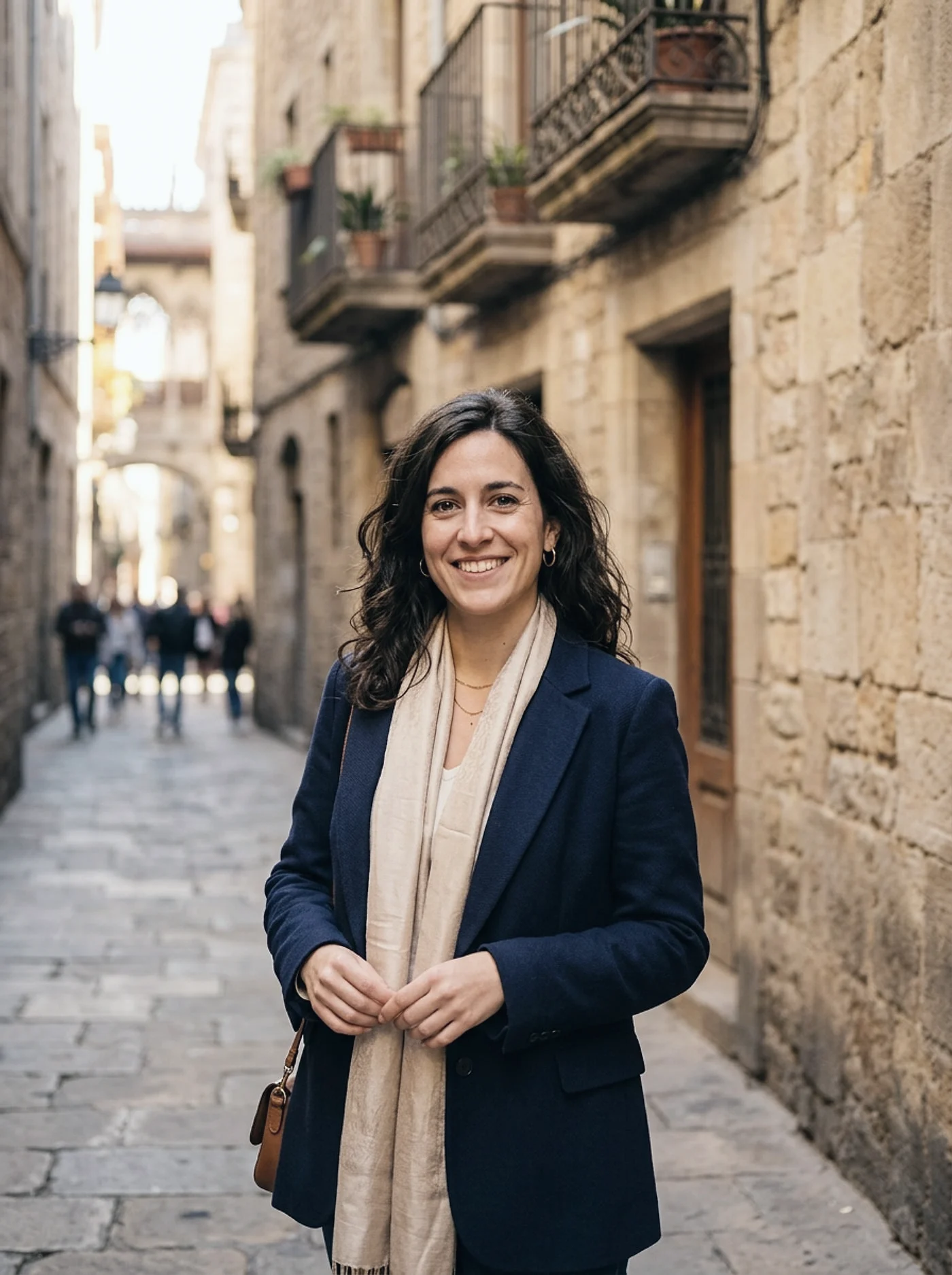
Language is another practical point. A tour can only be useful if the explanation is easy to follow. Check which languages are offered and confirm that the chosen one suits the group. If some travellers speak the language well and others are still learning, ask whether the style of delivery is clear, conversational and open to questions. A plan built around conversation will feel very different from one that resembles a moving lecture.
Group size also changes the feel of the day. Private does not automatically mean calm or personal. Check how many people can join, whether children are welcome and whether the format suits mixed ages. A small group can make it easier to ask questions and pause, while a larger one may need firmer timing. Think about how your group travels best. Some people enjoy steady movement, others want longer stops for photos, coffee or simply taking in a view.
Points to check before you pay
- Start and end point. Confirm where the day begins and finishes, and whether both are convenient for your base. A plan that saves time at one end but adds a long return trip at the other may not be the better choice.
- Duration and time slots. Check the full length of the experience, not just the sightseeing portion. Look at the start time against meals, check-in times, nap schedules and any other plans fixed for that day.
- What is not included. Meals, transport, tickets and personal spending are common gaps. Knowing these in advance prevents awkward surprises and helps you budget without guessing.
- Weather plan. Barcelona can be hot, bright, windy or wet depending on the season. Ask how shade, water breaks, indoor stops and shelter are handled, especially for children or anyone sensitive to heat.
- Changes and cancellations. Read the terms before paying. Look for clear details on changes, late arrivals, missed transport and what happens if plans shift at short notice.
It also helps to check how much choice you have within the day. A fixed route can be useful when time is short, because decisions are already made. A flexible route may suit travellers who want to linger in one area or follow a particular interest, such as architecture, food, art or history. Neither approach is automatically better. The right one depends on whether you value structure or room to adjust.
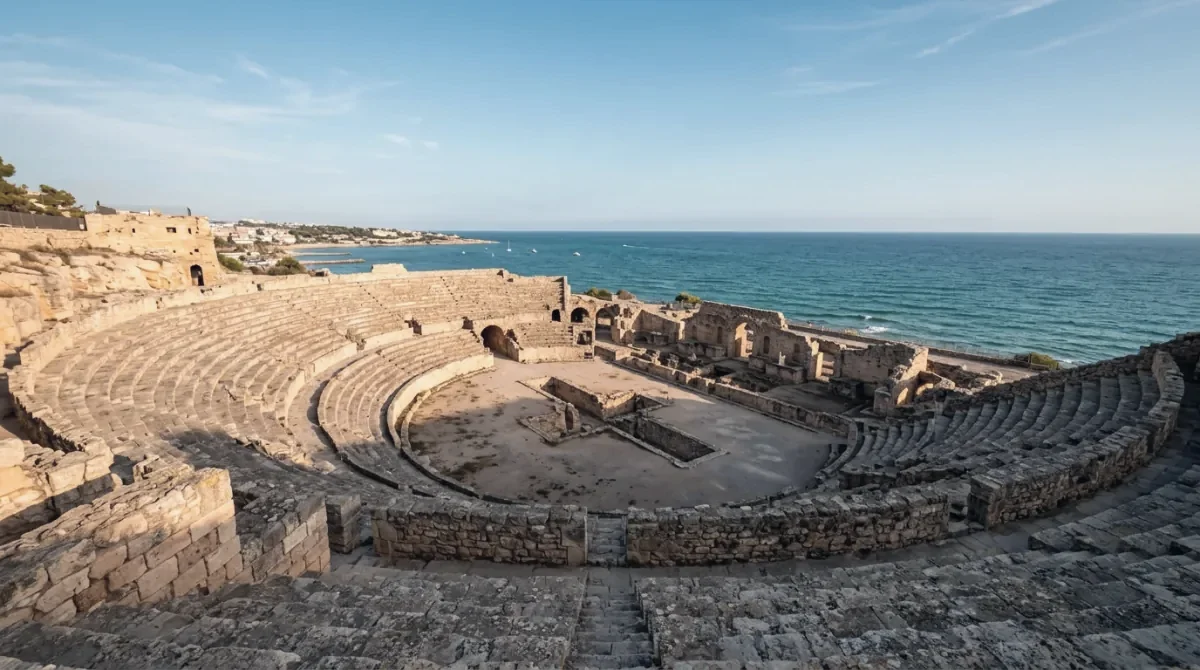
Ask what kind of knowledge the tour is built around. Barcelona layers Roman, medieval, modernist and contemporary history in a small space, and a good explanation helps those layers make sense. A route packed with dates can feel heavy, while one that only offers brief comments may leave you wanting more. Look for a balance that fits your interest level. If the group includes children, check whether the story is presented in a way they can follow rather than simply shortened.
The name Private Tour in Barcelona may appear among different options, so compare the substance rather than relying on the label alone. Look at the route, the timing, the group size and the terms. Those details reveal more than broad wording about an unforgettable experience or a special day. Clear information is a useful sign because it lets you judge whether the plan belongs in your itinerary.
How to compare fairly
Once you have a few possibilities, put the key details side by side in plain terms. Start with the hours you will be out, the distance covered and the areas visited. Then note what is included, what is extra and what would be difficult to change on the day. This keeps the comparison grounded and stops a glossy description from outweighing practical facts.
Reviews can help, but they should be read with care. Look for comments about pacing, clarity, meeting arrangements and how the day handled unexpected changes. Repeated comments are more useful than isolated praise or complaints. Pay attention to details that match your own situation, such as travelling with children, using public transport or wanting quieter stops. A tour praised for energy may not suit a group that wants a slower pace.
Communication before booking is worth noting too. Prompt, clear answers to simple questions can indicate how well the day is organised. If basic details about timing, access or meeting points remain vague, treat that as a reason to pause. This does not mean every small detail must be fixed in advance. It means the main points should be understandable before money changes hands.
Think about placement within the trip. A city tour works well when it gives you bearings early, but it can also work later once you know which areas you want to revisit. If the day arrives after a long flight, avoid a plan that demands sharp focus for hours. If it sits before a departure, leave enough margin for traffic, luggage and a calm return. Barcelona is easy to enjoy in fragments, so there is no need to force too much into one block of time.
Access and comfort deserve the same attention as the itinerary. Check whether the route includes cobblestones, steep streets, crowded pavements or long periods without a seating stop. Ask whether transport between areas is by metro, bus, taxi or on foot, and whether the group can regroup easily if someone needs a short break. These details may sound minor, yet they shape the day more than the list of landmarks.

Finally, be wary of vague claims that cannot be checked. Wording such as best, exclusive or fully tailored means little without specifics. A useful description tells you where you go, what you do there, how long it lasts and what the group can expect. If those basics are missing, ask before booking rather than filling the gaps with assumptions.
A private tour works best when it fits the way you travel. Check the route, the pace, the inclusions, the language, the group size and the terms, then place the day realistically within the rest of your trip. With those points settled, the choice becomes much easier, and the time in Barcelona feels planned without feeling boxed in.